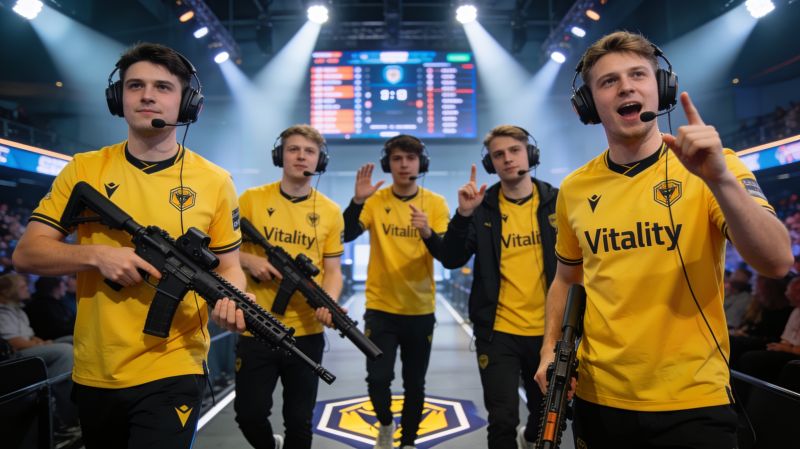
Nicolas Jover turned up at Arsenal in the summer of 2021 with a laptop, a hard drive of clipped footage and a CV built in Ligue 1 and the Championship rather than at the Bernabéu. Three seasons on, Arsenal had become the most productive dead-ball side in the Premier League, and the way a corner against Manchester City or Tottenham ended in the net felt less like luck than a rehearsal that finally ran on schedule. That arc says plenty about the modern game. The set piece coach football departments once treated as a luxury now sits on the staff list between the goalkeeping coach and the head of performance. Austin MacPhee splits the job between Aston Villa and Scotland. Chelsea paid Brentford to take Bernardo Cueva. Nobody in a boardroom smirks at the title any more.The work is more forensic than theatrical. A typical week starts with clips: how the opposition goalkeeper sets his feet。whether he commits early, how high the defensive line stands when the ball is struck, and who tends to lose his marker on the second phase. From there comes the choreography — two blockers, a decoy run to the near post, a delivery aimed at the space between the six-yard box and the penalty spot. Set piece coach football supporters rarely notice until a corner sails over everyone's head, but the gap between a good routine and a wasted one is often half a metre of timing. Some specialists now spend as much time on throw-ins as on corners, following Thomas Grønnemark's argument that a long throw into the box is worth roughly as much as a free kick in a similar area.Recruitment for these roles looks nothing like recruitment for a first-team coach. Gianni Vio was a bank manager in Italy who coached amateur teams at weekends before Catania gave him a chance;he later worked at Brentford, Leeds and Tottenham, and his arrival at Spurs was greeted with genuine curiosity by players who had never met anyone with that job title. Clubs increasingly hire analysts out of the video room, part-time consultants from lower-league clubs。or statisticians who can code. It is an odd hire for a dressing room. A set piece coach football clubs pay a modest salary often stands in front of millionaires and asks them to run a route they may not enjoy. The ones who last tend to have thick skin and a short, brutal way of presenting evidence.The accounting matters too. Restarts generate somewhere between a quarter and a third of goals in the Premier League, a share that has crept up as open-play defending has improved. Compare that with the transfer market: a specialist who adds four or five goals a season costs a fraction of a striker who might do the same. That arithmetic is why the set piece coach football clubs once debated hiring now appears in almost every mid-table budget. The counterargument is aesthetic. Plenty of supporters find the wrestling at the near post tedious, and there is a legitimate debate about whether zonal marking is being abandoned too quickly. My own view is that the pendulum swings both ways — the teams that look worst defending corners are usually the ones that have not practised enough, not the ones that have practised badly.Where does this go next?
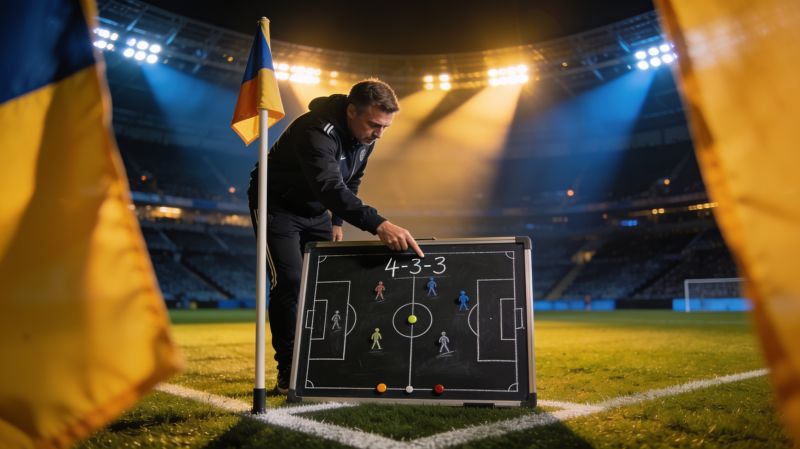
Everyone has one now, which means the edge is thinning. The set piece coach football analytics has quietly created is part statistician, part choreographer, part psychologist, and the next differentiator will probably be second-phase play — the scramble after the first clearance — rather than the delivery itself. A few of these coaches will move into management;MacPhee has already been linked with jobs。and the skill of breaking an opponent down on paper travels well. The honest conclusion is unromantic. Goals from restarts are neither a trick nor a passing fashion. They are the most rehearsable part of the game, and the clubs that treat rehearsal seriously keep winning the tight ones.